
sustainability
where we take care of our Baja
La Baja is a peninsula of stunning contrasts, with a bright scorching sun towering over the deepest blue water. Dry land surrounded by the biggest ocean on the planet. Mountains and coastline sharing the same horizon. An abundance of wildlife. Vast empty lands and vibrant colourful towns. Prickly plants and palm trees. Desert by the sea. México has an immense richness and variety of landscapes and of all its states, Baja California Sur has won the jackpot.
We consider ourselves lucky to be able to share this natural splendour with you, but it doesn’t come with a certain amount of environmental challenges, injustices and discomfort. Water scarcity, unethical wildlife practices, excessive urban growth, mega real estate projects and too many golf terrains are just a small example of the issues endangering the natural wealth of this state.
That’s why we think it’s important that when you travel to Baja California Sur, you’re fully aware of what it means to travel to a semi-arid environment, what the impact of tourism is on this fragile region and what you can do to make your Baja travels as sustainable as possible.
Not only the travelers, but also we, as a hostel, have to do our part to help make your trip to Baja California Sur as sustainable as possible. That’s why we made you a small guide with tips and tricks about how you can be a sustainable traveler and, of course, what we do to make our hostel and the stay of any of our guests as sustainable as possible.
sustainable travel principles
How do you become such a conscious, sustainable traveler? What does sustainability in tourism actually mean? A good way to plan a sustainable trip is to take the triple bottom line into account, also known as the 3 Ps: People, Planet and Profit .
The question to ask yourself every time you travel:
Am I taking part in a tourism that benefits the local population (people), protects the natural environment (planet) and provides economic opportunities for local businesses (profit)?
How can I make my trip to Los Cabos more sustainable?
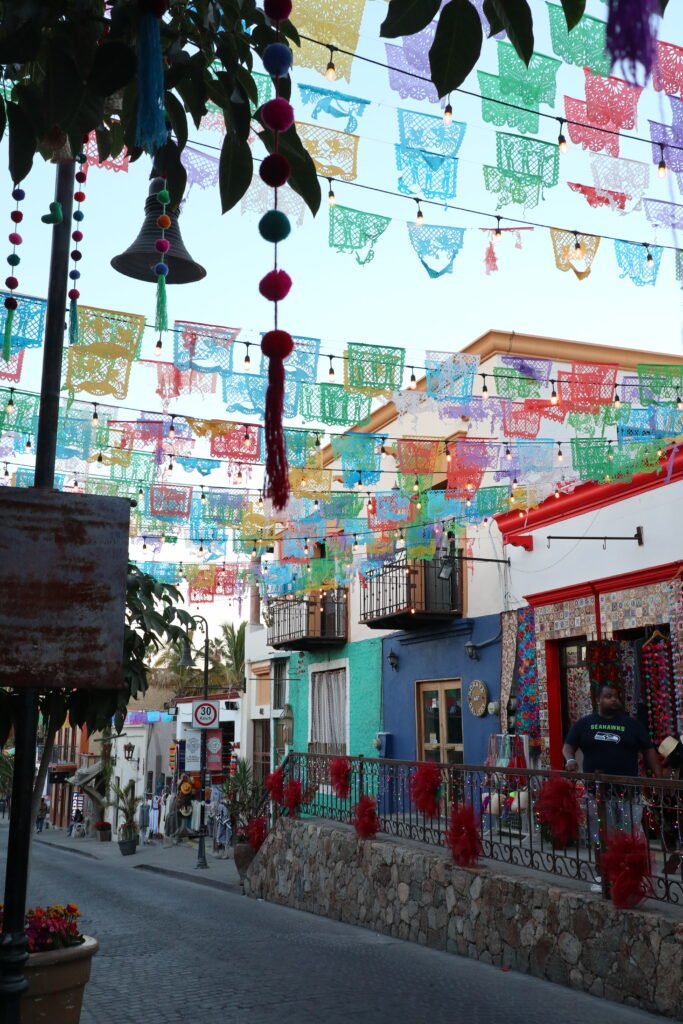
local activities + with minimal impact on nature
- Respect nature + Follow the "Leave No Trace" principles when outdoors and leave the place cleaner than you found it, if possible.
- ToursChoose local or Mexican tour agencies that follow all official regulations, employee local guides and teach you more about the wildlife in the area. Don’t know where to start? Ask our staff for tips!
- TransportationUse public buses or shared transport. You can enter the hostel's WhatsApp group or check the message board and tell everyone where you want to go. Fellow travelers can join and share transportation (if public transport is not an option) with you, and you reduce your environmental impact. Along the way you’ll have the opportunity to make new friends, win - win!
- Choose wisely on which activities to participate in: Is it safe to ride an ATV on the beach during turtle nesting season? Should you rent a jet-ski during the whale migration season, when whales tend to swim close to the shore? Do you need polluting gadgets to have a good time?
Hold on to the LEAVE NO TRACE principles:
- Plan ahead and prepare
- Travel and camp on durable surfaces
- Dispose of waste properly
- Leave what you find (except if it's trash, then take it with you)
- Minimize campfire impacts
- Respect wildlife
- Be considerate to others
daily actions
- ReusablesBring your own reusable water bottle & water filter or use the bottles available in the hostel. You could do the same with a tupper if you’d like to have take away food. Avoid adding single use plastics to the environment.
- Less laundryReuse your towel during the stay, ask only for a clean one when it’s dirty. Same for the sheets: not washing sheets daily saves us water, energy and makes the fabric last longer.
- Water usageLimit your showers & limit your time in the shower: turning off the tap when soaping yourself does make a difference!
- Water usage 2.0Turn off the tap while brushing your teeth or lathering your hands with soap.
- RecycleRecycle whenever you can - check the labels on the bins, deposit your trash accordingly and let us take care of the rest!
- Avoid food wasteCheck the free food box before buying groceries and donate what you won’t need to the free food box, there’s always somebody else who can use it. And eating leftovers the next day saves you a day of cooking = more time at the beach?
people and profit
- Hostel staysStay in Whale Tales Hostel! Hostels produce 75% less carbon emissions than hotels. If you don’t want to stay in a hostel (what are you doing on this page?), choose a local hotel, guesthouse or bed-and-breakfast instead. Avoid online platforms such as Airbnb who disrupt local housing markets.
- Support the local communityWhen you travel, consider doing so through local tourism agencies and staying in accommodations with a predominantly local workforce. You'll be supporting the destination's economy and communities!
- Buy and eat locallyBuy from a small grocery shop, the taco seller on the street corner, the cart passing by with home-made ice-cream, the lady selling handmade trinkets, … No worries, we know where the best places are!
- Cultural respectBefore judging the community's customs and traditions, ask, investigate, and respect diversity. Take the opportunity to learn about new cultures!
- Choose wiselyDon’t support tour companies or agencies that deliberately block public access to beaches, are actively trying to destroy valuable ecosystems, partake in harassing marine species, discriminate against the local community or other Mexican citizens, …
What does Whale Tales Hostel do?
Any ideas on how to minimize our impact on the environment, improve our local community or just some extra tips? All suggestions are welcome at hola@whaletaleshostel.com.
local activities
- TransportationWe encourage the use of public transport, walking, cycling, car sharing, or other sustainable methods of getting to and from the hostel. As well as provide a platform to our guests for finding shared transport to their next destination.
- Accurate promotionAll our promotional materials and marketing materials are accurate. Any images or claims used in promotion are of actual experiences and facilities in our hostel. Our sustainability claims are based on our actual performance, which also extends to the descriptions or images used on any Online Travel Agency website.
- OutdoorsWe offer accurate information about the outdoors, so you’ll know what to expect and how to behave in a semi-arid area with very specific flora and fauna. It might be different to what you’re used to!
- Locally owned businessesWhen offering services in our hostel, we only promote and work together with local businesses. Our hostel actually is a local business too and we aim to create a network of local businesses supporting each other… while maintaining a high quality of services, of course!
- Information on local issuesWe provide information to our guests about the current issues & water situation in BCS + the impact this can have on your stay.
daily actions
- Free filtered tap waterWe offer free drinking water to all guests, who can fill their bottles at the kitchen tap - a water filter makes sure our tap water is perfectly safe to drink.
- ReusablesWe offer reusable water bottles for guest use, just as plenty of other items in our communal kitchen that eliminate the need for single use plastics.
- Limited use of ACTo keep the hot summer nights bearable, we’ll turn on the AC during the evenings and night. This way, you’ll have a good sleep and we keep our electricity bill (and our emissions) in check.
- Limited LaundryBedlinen and towels are only washed in between guests or upon request. All laundry done in the hostel is air dried, making optimate use of the sunny days in Los Cabos.
- RecycleWe offer separate waste disposal bins for recycling, labelling all of them to encourage correct use by the guests. Our compost helps to keep our organics in check and we try to re-use cardboard & paper (sometimes even our green waste) in creative projects.
- Second handA lot of the hostel furniture and everyday objects are sourced in local second hand shops. Whenever objects need replacement, we try to repair them first. If not possible, we give them another purpose and choose to buy second hand replacements.
people and profit
- InformationWe’ll show you where all the local hotspots, shops, restaurants & markets are + we’ve collected an extensive list of local suppliers & tour operators for you to choose from. Yes, we already omitted the ones to avoid!
- ConstructionDuring the renovation of the building that’s now Whale Tales Hostel, we’ve contacted a local architect, who used local contractors and chose materials that didn’t specifically needed to be imported from abroad.
- We have a zero tolerance to any form of exploitation and harassment.
- Community servicesOur hostel's operations do not impact local access to basic services such as food, water, energy, healthcare, or sanitation.
- Local livelihoodsThe hostel's operations do not impact local access to livelihoods, including land and water use, rights of way, transport and housing. Whenever we hire employees, we offer fair and equal employment.
- Local purchasingThe foods and drinks offered in the hostel are purchased from a local supplier, home made or of Mexican origin, whenever possible.
how we want to do better
- Invest in renewable energyWe want to stop depending on fossil fuels for energy and switch to renewable options whenever we have sufficient funding to make the switch
- WastewaterImplement methods to reduce, reuse or recycle water wherever possible. First, we want to start with collecting rainwater and the runoff of our AC systems, in order to use them for watering plants in the garden.
- Minimize pollutionTrack our hostel's pollution sources (including noise, light, runoff, erosion, ozone-depleting substances, air, water and soil contaminants) and minimize where possible.
- Solid wasteImprove our plan for recycling, reusing, composting, or disposing of waste.
- Community supportFinancially support a local environmental organization advocating for a better Baja California Sur, increasing the amount of organizations whenever possible.
 EN
EN  ES
ES